Why Some Pet Products Never Launch: 8 Manufacturing Challenges Brands Should Know
Why do some promising pet products never make it from concept to market?
Every year, pet brands explore new ideas for dog toys, feeding accessories, grooming products, cat litter boxes, and other pet supplies.
Some concepts are innovative. Others offer improved functionality, better aesthetics, or unique features designed to attract customers.
But not every product reaches mass production.
A product may look impressive in a 3D rendering, receive positive feedback during early development, and still fail to become commercially viable.
Why does this happen?
From an OEM pet product manufacturer’s perspective, many product development problems begin long before the factory starts mass production.
Poor material selection, complicated designs, unrealistic cost expectations, tooling challenges, insufficient testing, and unclear product specifications can all prevent a promising concept from moving forward.
At GHD PET, we support international pet brands with OEM and ODM manufacturing of rubber, silicone, and plastic products.
With manufacturing operations in Vietnam and engineering resources across our Vietnam–China network, we understand the importance of connecting product design with manufacturing feasibility.
In this article, we explore eight common reasons why pet products fail before launch and how brands can reduce these risks.
1. The Product Looks Great but Is Difficult to Manufacture
One of the most common product development challenges is the difference between a product that looks attractive and one that can be manufactured efficiently.
A design may include complicated shapes, very thin sections, sharp internal corners, or unnecessary structural details.
These features may appear attractive in a digital model but create difficulties during molding or assembly.
For example, a plastic pet accessory with uneven wall thickness may experience unwanted deformation during cooling.
A rubber dog toy with thin connecting sections may be vulnerable to tearing under repeated mechanical stress.
A silicone product with complex undercuts may require additional tooling considerations.
Why Design for Manufacturability Matters
Design for Manufacturability (DFM) is the process of evaluating whether a product can be manufactured efficiently and consistently using the selected materials and production methods.
For injection-molded pet products, a DFM review may consider:
- Wall thickness and material distribution.
- Mold release and draft angles.
- Parting line and gate locations.
- Structural reinforcement.
- Dimensional tolerances.
- Potential manufacturing defects.
- Assembly requirements.
- Production cycle efficiency.
Identifying manufacturing challenges during design development can reduce the need for costly modifications later.
The best time to solve a manufacturing problem is before investing in production tooling.
2. The Wrong Material Is Selected
Material selection has a major influence on product performance and manufacturing feasibility.
Pet products may use rubber, silicone, thermoplastic elastomers, polypropylene, ABS, or other materials depending on their intended functions.
However, materials that appear similar may behave very differently.
For example:
A flexible dog toy may require specific tear resistance and elastic recovery characteristics.
A plastic cat litter box may need sufficient rigidity while remaining lightweight and resistant to expected cleaning conditions.
A silicone feeding accessory may require a material grade appropriate for its intended contact conditions.
Selecting a material solely because it is inexpensive or visually attractive can create problems later.
What Should Brands Consider?
Before approving a material, brands should evaluate:
- Intended product function.
- Mechanical performance requirements.
- Hardness and flexibility.
- Expected environmental exposure.
- Chemical and material requirements.
- Manufacturing compatibility.
- Target production cost.
Material testing and sample evaluation should reflect the actual product requirements.
The right material is not necessarily the most expensive one. It is the material that meets the product’s performance and manufacturing needs.
3. Tooling Costs Exceed the Available Budget
Custom molds can represent a significant upfront investment.
The cost of tooling depends on factors such as product size, geometry, complexity, precision requirements, mold construction, and production volume.
A simple molded pet accessory may require a relatively straightforward tool.
A complex product with multiple components, detailed textures, or special functional features may require a more substantial investment.
For new brands, tooling costs can become a major challenge when expected sales volumes are uncertain.
How Can Brands Reduce Tooling Risks?
Before approving tooling, brands should:
- Review manufacturing feasibility.
- Confirm the final product specifications.
- Obtain a clear tooling quotation.
- Understand tooling ownership and usage rights.
- Discuss potential design revisions.
- Estimate realistic production volumes.
- Evaluate the commercial return on tooling investment.
For some projects, modifying an existing product design may be more practical than developing an entirely new mold.
For other projects, custom tooling may be justified because the brand requires unique features or product differentiation.
The right decision depends on commercial objectives and product requirements.
4. The Prototype Works, but Mass Production Is Unstable
A prototype is an important development milestone.
However, a successful prototype is not the same as a validated mass-production process.
A prototype may be produced under controlled conditions or with additional manual attention.
Mass production introduces different requirements.
The manufacturer must maintain product specifications across repeated production cycles and potentially different material batches.
Possible challenges include:
- Dimensional variation.
- Inconsistent surface appearance.
- Material processing differences.
- Molding defects.
- Assembly problems.
- Changes in mechanical performance.
- Higher-than-expected rejection rates.
Why Production Validation Is Important
Before launching large-scale production, manufacturers and brands should establish clear acceptance criteria.
Depending on the project, validation may involve tooling trials, sample approval, process monitoring, functional tests, and initial production evaluations.
This helps determine whether the approved product can be produced consistently.
Manufacturing success is not measured by producing one excellent sample. It is measured by the ability to repeatedly manufacture products that meet agreed specifications.
5. The Product Cannot Meet Its Performance or Safety Requirements
For pet products, safety and functional performance are particularly important.
A product may appear ready for launch but require redesign after testing.
Consider a hypothetical rubber dog toy developed for repeated chewing.
If the material or structural design allows small pieces to tear away under expected conditions, the manufacturer and brand may need to review the product’s suitability.
Similarly, a plastic feeding accessory may fail a specified load test, or a molded component may not meet dimensional requirements.
These examples illustrate why testing should be considered during product development rather than only at the end.
Testing Should Match the Intended Product
Depending on the product, appropriate assessments may include:
- Tensile strength.
- Tear resistance.
- Impact performance.
- Dimensional stability.
- Component retention.
- Repeated-use durability.
- Material and chemical assessments.
Testing requirements should reflect foreseeable product hazards, the intended animal, product specifications, and applicable destination-market regulations.
No single test guarantees that a pet product will be safe in every situation.
For brands, identifying performance requirements early can help prevent expensive redesigns after tooling or production approval.
6. The Minimum Order Quantity Doesn’t Match Market Demand
Minimum Order Quantity (MOQ) is another reason some pet product projects struggle to move into production.
For manufacturers, MOQ is influenced by production setup, material procurement, machine utilization, tooling arrangements, and manufacturing efficiency.
For new brands, however, a large initial order may create significant inventory and financial risks.
Imagine a company planning to test a new product with a relatively small market launch.
The brand may want only a few hundred units, while its target unit price assumes a much larger production quantity.
This creates a commercial mismatch.
How Can Brands Manage MOQ Challenges?
Possible approaches include:
- Reviewing realistic initial order quantities.
- Simplifying customization requirements.
- Evaluating suitable existing product designs.
- Consolidating compatible variants.
- Planning phased product launches.
- Comparing unit cost across different order quantities.
Not every factory can economically manufacture every product in small quantities.
Brands should discuss expected volumes and budgets early so that the manufacturer can evaluate suitable options.
7. The Manufacturing Cost Doesn’t Support the Business Model
A product may be technically feasible but commercially difficult to launch.
For example, a pet brand may develop an attractive enrichment toy with multiple custom components.
The product works as intended, but the total manufacturing cost is higher than expected.
Additional expenses may include:
- Custom tooling.
- Raw materials.
- Production labor.
- Quality inspection.
- Retail packaging.
- Transportation.
- Import duties.
- Warehousing and distribution.
After accounting for these expenses, the brand may find that the target selling price does not support the desired margin.
This is why manufacturers and brands should discuss target costs during development.
Design-to-Cost Development
Design-to-cost is an approach that considers manufacturing economics while a product is being developed.
Rather than waiting until the design is complete, manufacturers can evaluate opportunities to improve cost efficiency.
Examples include simplifying unnecessarily complex geometry, selecting appropriate materials, reviewing part dimensions, reducing avoidable assembly steps, or improving packaging efficiency.
Cost reductions should never compromise agreed safety or performance requirements.
A successful pet product must be both technically feasible and commercially viable.
8. Too Many Design Changes Happen Too Late
Late-stage design changes can disrupt development schedules and increase project costs.
For example, a brand may approve a custom plastic product mold and later decide to change the product dimensions.
Depending on the change, the existing tooling may require modification or replacement.
A material change can also affect molding conditions, shrinkage behavior, functional performance, and validation requirements.
Packaging changes may affect product protection, carton dimensions, or shipment preparation.
How Can Brands Reduce Late-Stage Changes?
A structured approval process can help.
Important milestones include:
- Product requirement approval.
- Design review.
- Material selection.
- Tooling approval.
- Prototype evaluation.
- Final sample approval.
- Production readiness review.
- Mass-production authorization.
All changes should be documented and evaluated for their impact on cost, quality, and timeline.
Clear communication between the brand and manufacturer is essential.
9. How to Reduce Pet Product Development Risks Before Launch
Although product development involves uncertainty, brands can improve their chances of a successful manufacturing launch through better preparation.
Start with a Clear Product Brief
Define the intended users, function, dimensions, materials, performance requirements, target cost, and estimated order quantity.
Involve the Manufacturer Early
Discuss the concept with a suitable OEM or ODM manufacturing partner before finalizing the design.
Early technical feedback can help identify manufacturing challenges.
Validate Material and Design Choices
Use product specifications, prototype evaluations, and appropriate tests to assess whether the concept meets its intended requirements.
Understand Tooling and Production Economics
Evaluate mold investment, MOQ, production costs, packaging, and logistics before committing to large-scale production.
Establish Quality Acceptance Criteria
Define what constitutes an acceptable finished product before production begins.
Plan for Production Validation
Do not assume that a promising prototype guarantees mass-production success.
Confirm that the intended process can consistently meet the agreed specifications.
10. How GHD PET Supports Pet Product Development and OEM Manufacturing
At GHD PET, we believe manufacturing expertise should be involved early in product development.
Our OEM and ODM capabilities support international brands developing customized rubber, silicone, and plastic pet products.
We work with customers to discuss product requirements, material selection, tooling coordination, sampling, manufacturing feasibility, and production specifications.
Product Design and Manufacturing Review
For customers with existing drawings or product concepts, our team can review relevant manufacturing requirements and discuss potential technical challenges.
Material and Process Evaluation
We help customers evaluate available material and manufacturing options according to the intended product application.
Tooling and Prototype Development
Our manufacturing network includes tooling and engineering resources that support custom product development.
OEM and ODM Manufacturing
GHD PET supports manufacturing projects based on approved product specifications, with customization options determined by project feasibility.
Quality Control
Production quality requirements and inspection criteria are discussed with customers to establish expectations before mass production.
Vietnam and China Manufacturing Network
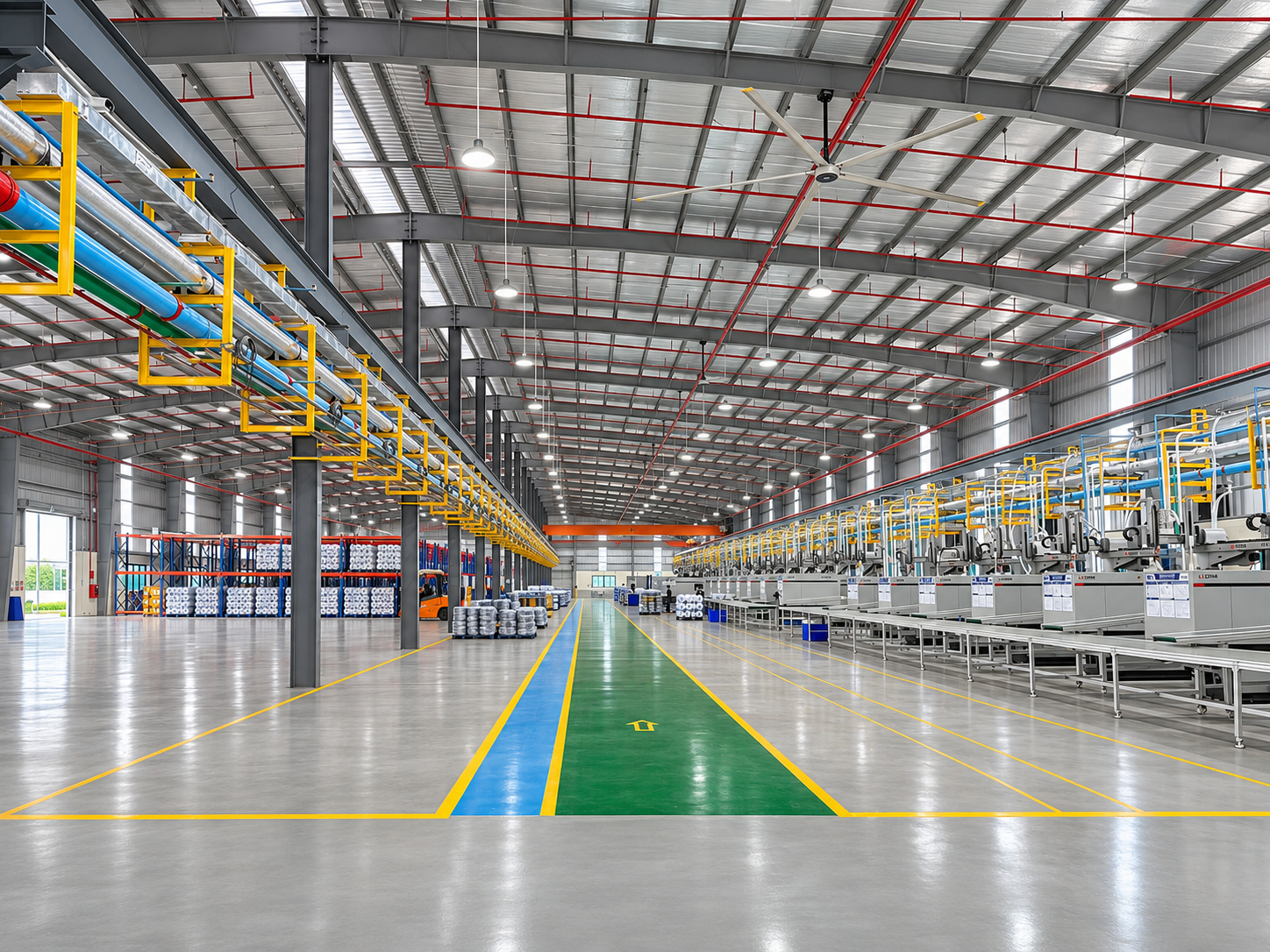
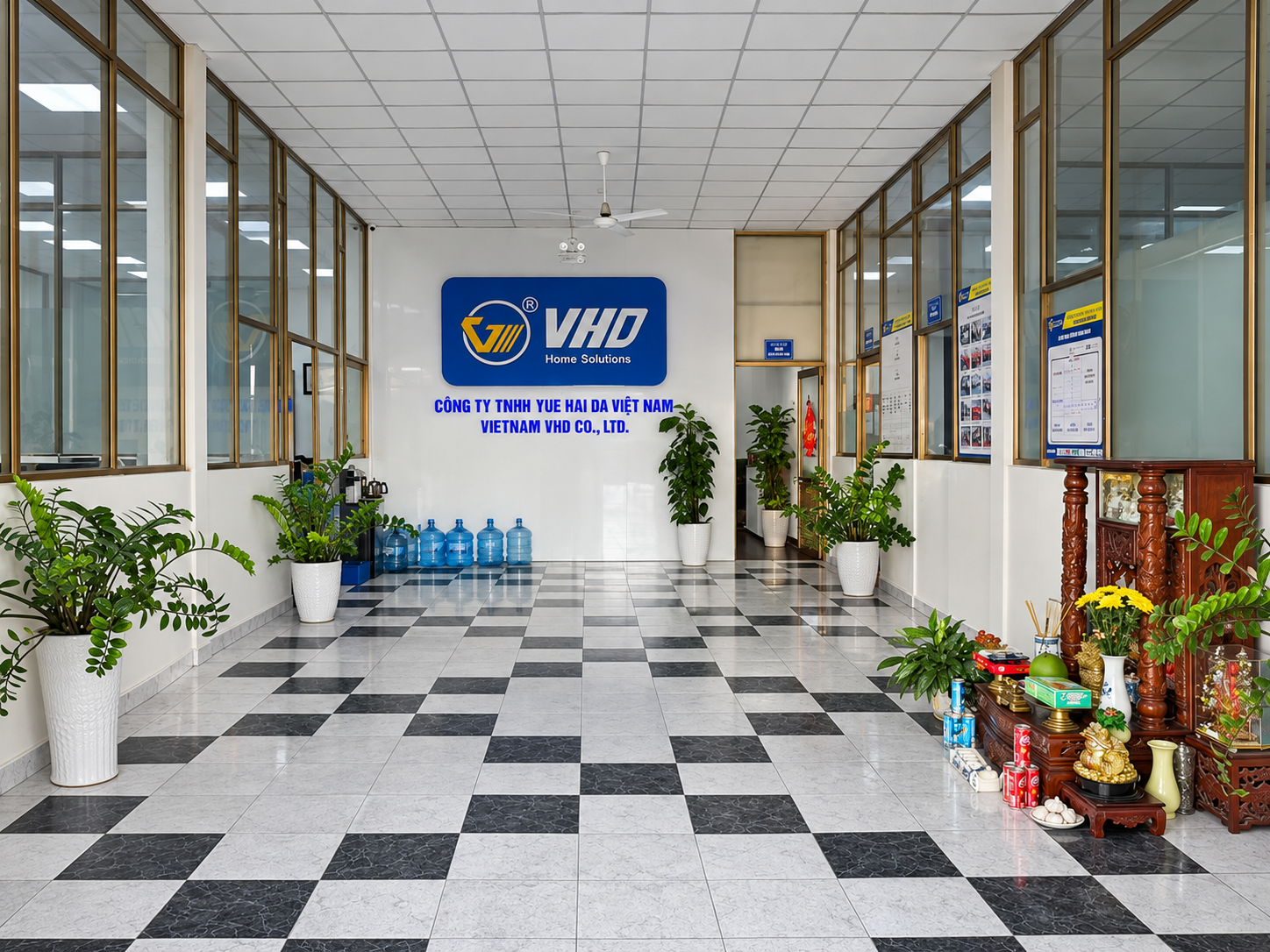
GHD PET operates manufacturing facilities in Hai Phong and Hung Yen, Vietnam, supported by engineering and manufacturing resources in China.
For suitable projects, customers can evaluate available production options according to technical requirements, capacity, location preferences, and commercial considerations.
Our objective is to help brands make informed manufacturing decisions, from early product concepts through production planning.
11. What Information Should You Prepare Before Contacting an OEM Manufacturer?
If you are developing a new pet product, preparing the right information can make the first manufacturing discussion more productive.
We recommend providing:
- Product concept, drawings, 3D files, or reference samples.
- Intended product function and target pet category.
- Preferred materials and dimensions.
- Performance or testing requirements.
- Estimated order quantities.
- Target manufacturing cost.
- Custom branding and packaging requirements.
- Target sales markets.
- Preferred manufacturing location, if applicable.
- Expected development and launch schedule.
If your concept is still at an early stage, you can begin with reference images and a clear description of the intended function.
A manufacturing feasibility review can help identify what additional information is needed before tooling or production decisions are made.
Frequently Asked Questions About Pet Product Development
Why do some pet products fail before launch?
Pet products may fail to reach the market because of manufacturing difficulties, unsuitable materials, high tooling costs, performance problems, unrealistic order quantities, or commercial feasibility concerns.
What is the most important stage of OEM product development?
There is no single stage that guarantees success. However, early design review, material selection, manufacturing feasibility evaluation, and clear technical specifications can reduce avoidable development risks.
Can an OEM manufacturer help improve an existing pet product design?
Yes. Depending on its engineering capabilities, an OEM manufacturer may help evaluate material choices, geometry, tooling, production methods, and manufacturing costs.
What is the difference between a prototype and a production-ready product?
A prototype demonstrates aspects of a design or its intended function. A production-ready product also requires suitable manufacturing processes, approved specifications, quality criteria, and evidence that it can be produced consistently.
Can GHD PET help develop custom pet products?
GHD PET supports OEM and ODM development of rubber, silicone, and plastic pet products. Customers can submit designs or product concepts for technical and manufacturing feasibility discussions.
Does GHD PET offer manufacturing in Vietnam?
Yes. GHD PET operates manufacturing facilities in Vietnam and has additional engineering and manufacturing resources in China. The production arrangement for a specific project is confirmed according to its requirements.
Conclusion: A Great Product Idea Needs a Manufacturing Strategy
Why do some pet products never launch?
The answer is rarely as simple as a bad idea.
A promising concept may face technical challenges, unsuitable material choices, tooling limitations, unexpected costs, or difficulties achieving consistent production quality.
These problems do not always mean the product should be abandoned.
Sometimes, the right design revision, material change, or manufacturing strategy can make a project more practical.
For international pet brands, working with a manufacturing partner early in development can help identify important risks before major investments are made.
At GHD PET, we believe successful product development begins when creative ideas meet practical manufacturing expertise.
Have a Pet Product Idea You’re Ready to Develop?
Whether you’re planning a custom rubber dog toy, silicone feeding accessory, plastic litter box, or another OEM pet product, our team can discuss your manufacturing requirements.
Let’s evaluate your product concept before you invest in mass production.
Contact GHD PET to Discuss Your OEM/ODM Project:
https://ghdpet.com/contact-us/
Explore our manufacturing capabilities:
https://ghdpet.com/capabilities/
GHD PET — From Product Concepts to Professional OEM & ODM Manufacturing in Vietnam.