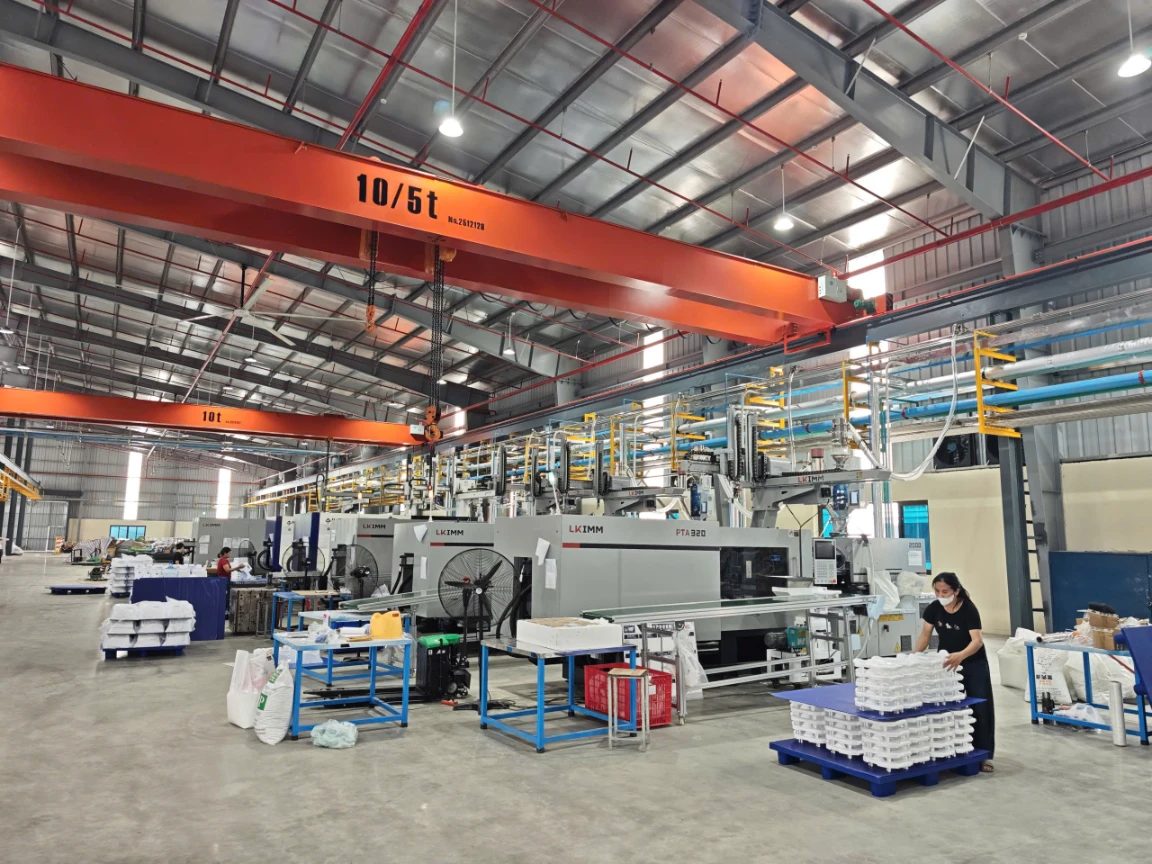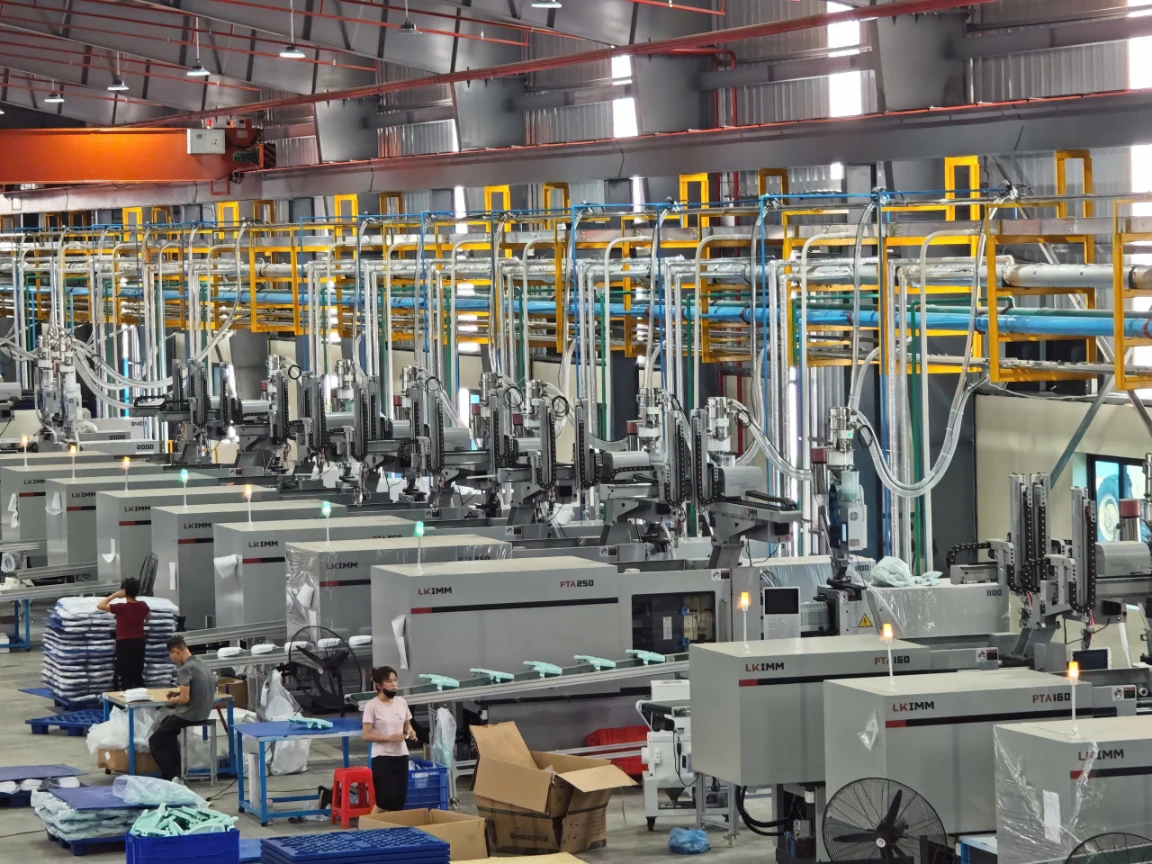
A few years ago, “eco-friendly” was a nice-to-have on a pet product spec sheet. Today, for brands selling into the US and European markets, it’s closer to a requirement — retailers are asking for it, regulators are tightening around it, and pet owners are actively shopping for it. Here’s what that shift means for how GHD Pet approaches material selection and production.
The Shift Pet Brands Are Feeling
Three pressures are converging at once:
- Retailer expectations — Major US and European retailers increasingly favor suppliers who can document material safety and sourcing, not just meet minimum compliance.
- Regulatory tightening — Standards like REACH and RoHS continue to narrow what chemicals and substances are acceptable in consumer products, including pet goods.
- Consumer demand — Pet owners who already scrutinize ingredient labels on pet food are starting to ask the same questions about the bowls, mats and toys their pets use every day.
For a manufacturer, that means sustainability can’t be a marketing layer added at the end. It has to be part of how a product is engineered from the first material decision.
What We Build Sustainability Into
Food-grade, BPA-free, non-toxic materials. Every silicone product we manufacture uses food-grade, BPA-free silicone — the same safety threshold used for baby products — because pets chew, lick and ingest in ways that demand it.
Traceable raw materials. Brands and buyers increasingly need to answer “where did this material come from?” We maintain clear traceability on the plastic pellets and silicone we use, so that question has a real answer, not a guess.
Reduced single-use plastic. Where a product can be engineered with less plastic — through material substitution, redesigned wall thickness, or a switch to more durable rubber or silicone components — we look for that option during the tooling and prototyping stage, not after the mold is already cut.
Durability as a sustainability strategy. A product that lasts three years instead of three months is, by definition, a more sustainable product — fewer replacements, less packaging shipped, less waste. Our physical testing (tensile strength, tear strength, resilience) exists as much for durability as for safety.
Where This Matters Most in Product Development
If you’re developing a new pet product line and sustainability is part of your brand promise, the earliest and highest-leverage decisions happen before mass production:
- Material selection — choosing food-grade silicone or recycled-content plastic from the start, rather than retrofitting a formula later.
- Mold and tooling design — a well-engineered mold can reduce material waste per unit at scale.
- Packaging — right-sized, reduced packaging is easier to specify during initial development than after packaging tooling is already locked.
This is also where our OEM/ODM model helps: because our engineering team is involved from tooling through mass production, sustainability trade-offs can be evaluated early, when they’re cheapest and easiest to act on — not after the first shipment has already gone out.
Sustainable Doesn’t Have to Mean Slower or Costlier
One misconception we hear often: that sustainable materials automatically mean higher costs or longer lead times. In practice, the two goals — sustainability and efficient production — often point in the same direction. Reducing material waste in a mold design lowers both environmental impact and per-unit cost. Choosing a more durable material reduces returns and reorders. The brands that get ahead of this trend aren’t necessarily paying more; they’re designing smarter from the start.