How to Choose the Right OEM Pet Products Manufacturer for Your Brand
Finding an OEM pet products manufacturer is one of the most important decisions for any pet brand planning to launch or expand its product line.
Whether you are developing rubber dog toys, silicone feeding accessories, or custom plastic pet products, your manufacturing partner can influence product quality, development efficiency, production consistency, and long-term profitability.
However, choosing a manufacturer involves more than comparing unit prices.
Here are seven factors that pet brands and importers should evaluate before starting an OEM manufacturing project.
1. Understand Your Manufacturing Requirements
Before contacting suppliers, identify what you need your manufacturing partner to deliver.
Are you looking for an existing product with your brand logo? Do you have a finalized product design? Or do you need engineering assistance to develop a new product?
These requirements determine whether OEM or ODM manufacturing is more suitable.
OEM Manufacturing
Original Equipment Manufacturing generally involves producing a product according to specifications provided or approved by the customer.
The buyer typically defines the product requirements, branding, and quality expectations.
ODM Manufacturing
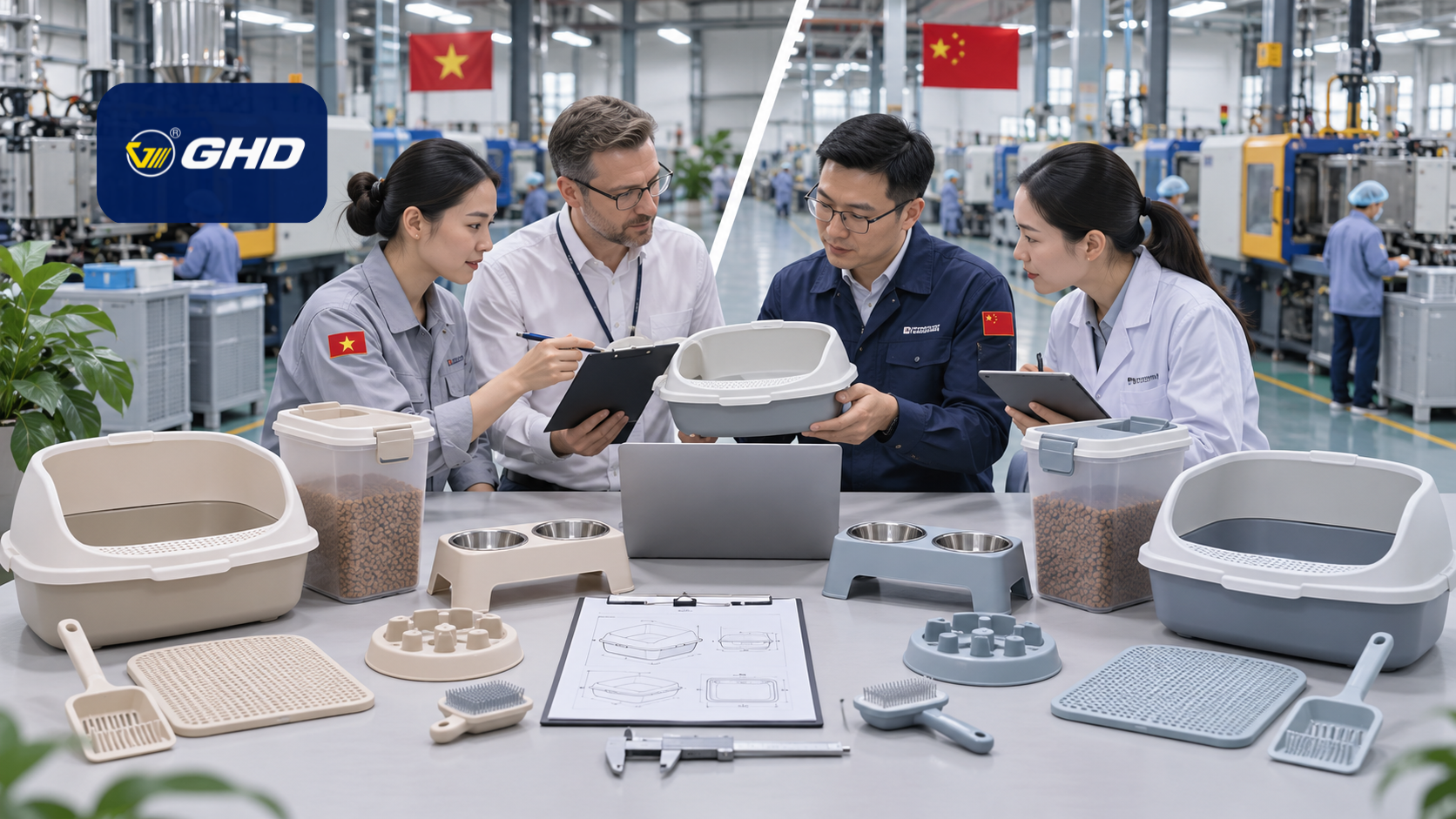
Original Design Manufacturing may involve additional development support, including concept refinement, product design, prototyping, and tooling.
For brands launching a new product, ODM capabilities can be valuable when the initial design requires technical development.
2. Evaluate Material and Manufacturing Expertise
Different pet products require different materials and production processes.
Silicone, rubber, and plastic can each offer advantages depending on product design, performance expectations, and intended use.
For example:
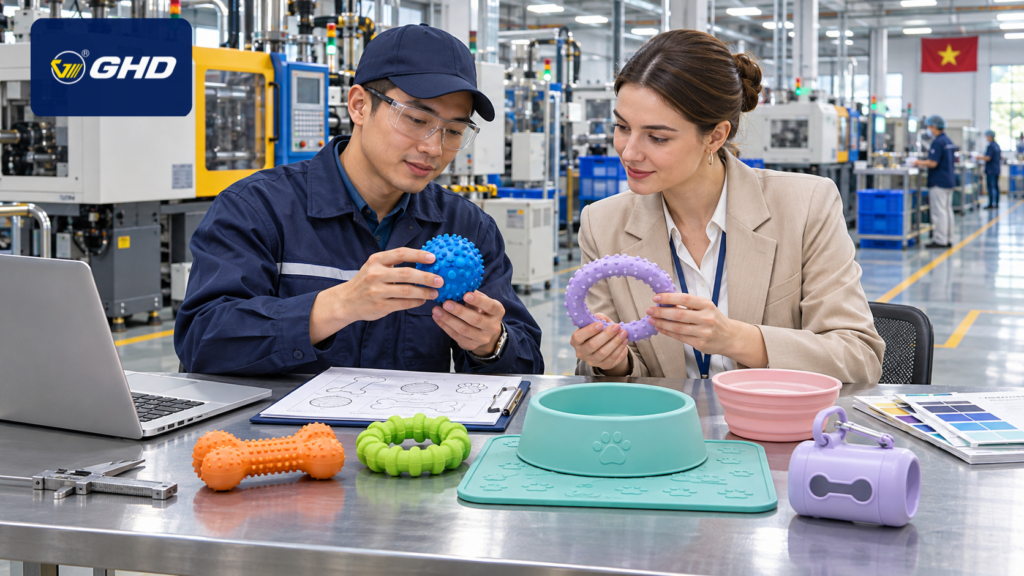
- Rubber may be suitable for flexible toys and durable molded accessories.
- Silicone can be useful for selected feeding, grooming, and flexible pet-care products.
- Plastic injection molding supports many rigid components, storage products, and functional accessories.
A manufacturer with relevant material expertise can help buyers understand the technical trade-offs before committing to production.
Ask suppliers which materials and processes they regularly work with and request examples of comparable projects.
3. Examine the Quality Control Process
Quality control should be evaluated before placing a production order.
An experienced OEM pet products manufacturer should be able to explain how product specifications are verified and how nonconforming products are handled.
Important areas include incoming material checks, process monitoring, finished-product inspections, and documented acceptance criteria.
Buyers should also ask how the factory manages changes to approved materials, tooling, or production methods.
Certificates and audits can provide useful information about management systems or facility practices, but they should not replace product-specific quality assessments.
4. Review Product Development and Tooling Capabilities
For custom pet products, tooling and design review can be critical.
A design that looks excellent in a rendering may be difficult to manufacture consistently.
Factors such as wall thickness, draft angles, part geometry, mold construction, and material flow can influence production feasibility.
A manufacturing partner should be able to discuss these issues during development rather than discovering them after mass production begins.
Before approving tooling, clarify:
- Tooling ownership and usage rights.
- Design revision procedures.
- Prototype approval requirements.
- Maintenance responsibilities.
- Production acceptance criteria.
These discussions can prevent costly misunderstandings later.
5. Compare Quotations Beyond Unit Price
A low unit price does not always translate into the lowest overall cost.
When comparing OEM quotations, ensure suppliers are quoting against the same specifications.
Review material grades, dimensions, packaging, order quantities, quality requirements, tooling costs, and delivery terms.
A quotation that excludes essential requirements may appear more competitive but become more expensive after revisions.
For a meaningful comparison, buyers should evaluate the total project cost rather than focusing only on the price per unit.
6. Evaluate Communication and Production Transparency
Clear communication becomes especially important when working with an overseas manufacturer.
The supplier should be able to explain technical limitations, identify missing information, and provide realistic project milestones.
Ask how the factory handles engineering changes, production updates, quality concerns, and shipment preparation.
A good manufacturing relationship depends on clear responsibilities and documented decisions.
7. Consider Vietnam as a Manufacturing Location
Vietnam is an option for international pet brands evaluating their sourcing strategies.
However, manufacturing location alone should not determine supplier selection.
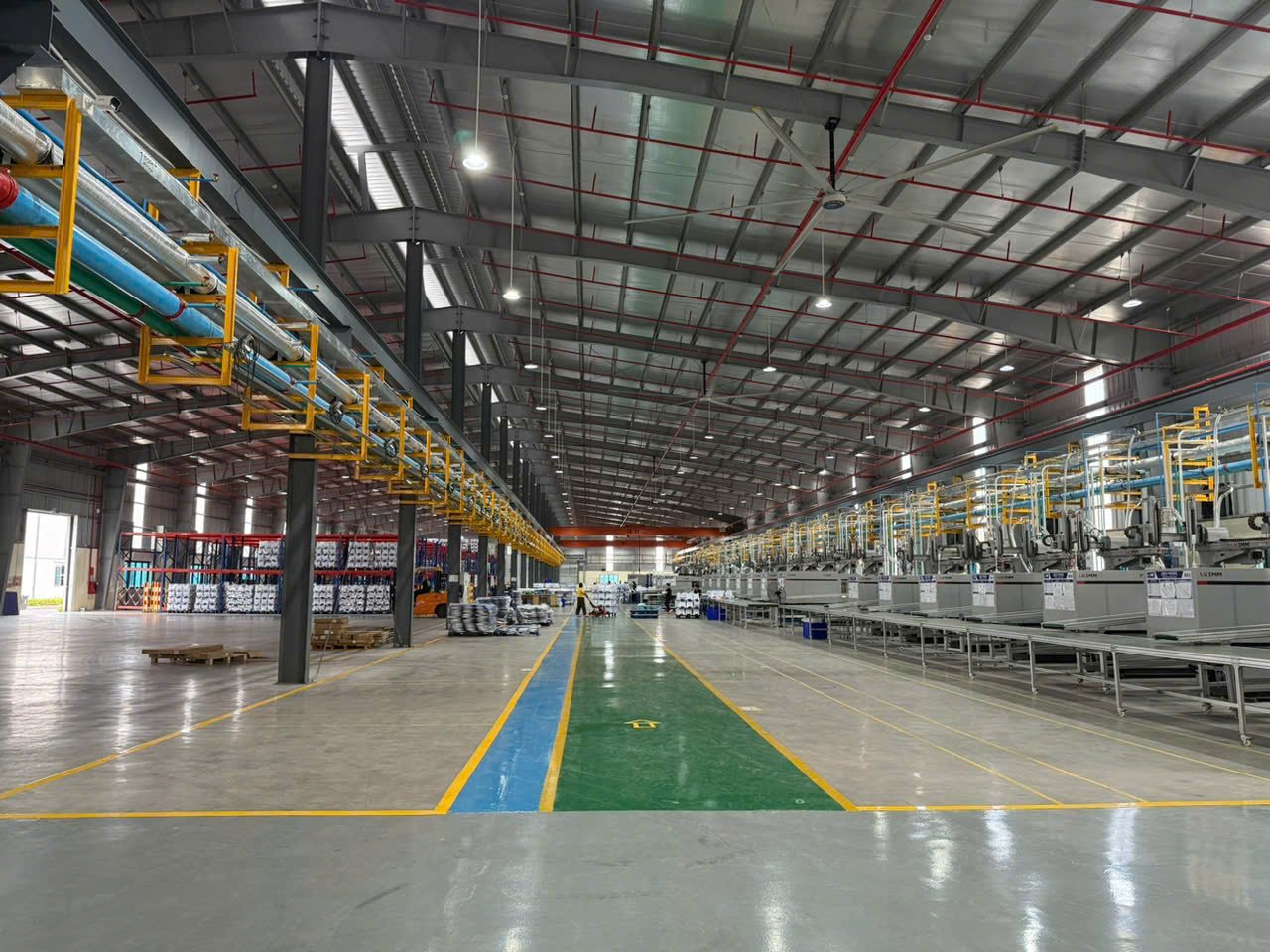
Buyers should evaluate the actual factory, production process, material sourcing, commercial terms, and logistics arrangements.
They should also verify applicable tariffs and rules of origin for their specific products and destination markets.
The objective is to build a dependable supply chain rather than choose a country based on assumptions.
Why Work With GHD PET?
GHD PET supports international brands, importers, and distributors with OEM and ODM manufacturing of silicone, rubber, and plastic pet products.
Our manufacturing operations in Vietnam are supported by product development and engineering resources across our broader manufacturing network.
We work with customers on product specifications, material selection, tooling coordination, sampling, mass production, and quality control.
Whether you are developing a new private-label product or sourcing an existing design, our team can discuss manufacturing options based on your requirements.
Final Thoughts
Choosing an OEM pet products manufacturer is a strategic decision that can influence the future of your brand.
The strongest manufacturing partnership combines appropriate technical capabilities, clear communication, practical quality control, and transparent commercial terms.
Before selecting a supplier, make sure you understand what the factory can manufacture, how it controls production, and what responsibilities are included in its quotation.
Looking for a pet products manufacturer in Vietnam?
Contact GHD PET to discuss your OEM or ODM project, share your product specifications, and explore suitable manufacturing options.